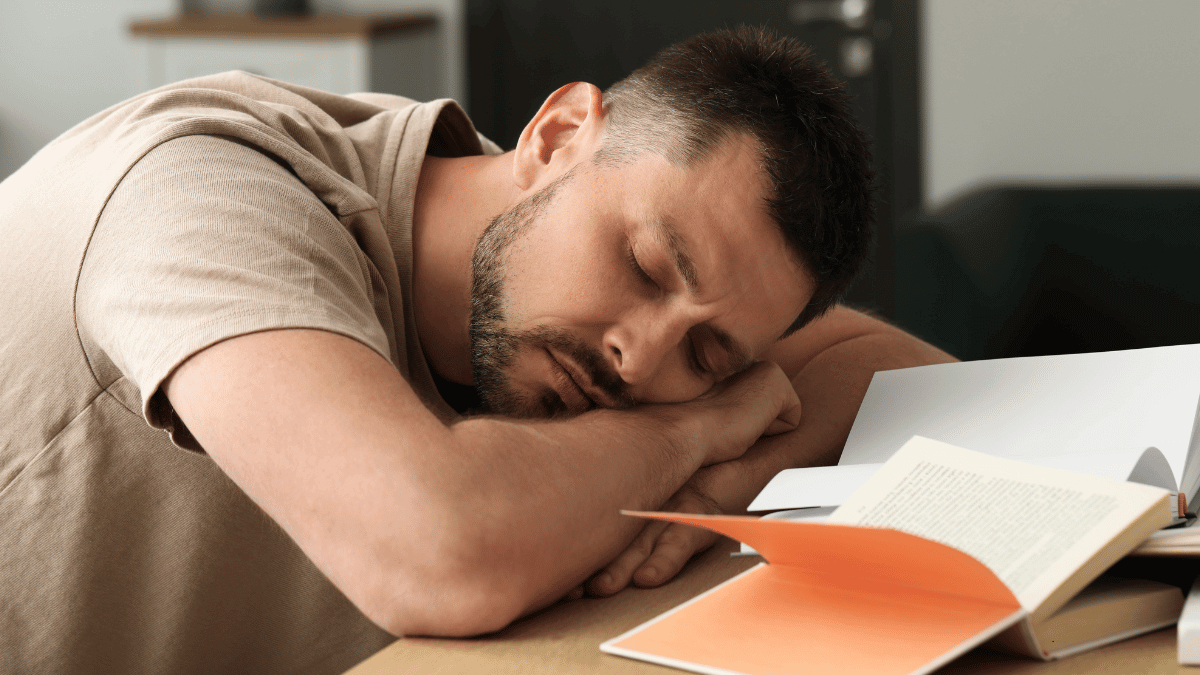
Performance is often measured by how well men can focus, make decisions, and sustain effort throughout the day. When sleep is consistently reduced or disrupted, these abilities begin to decline in subtle but meaningful ways. Tasks that once felt manageable require more effort, and performance becomes less consistent, even without obvious physical exhaustion.
For men experiencing sleep deprivation and performance issues, the connection is not always immediately clear. Sleep loss may occur gradually through shorter nights, fragmented rest, or ongoing mental strain. Because men often adapt by pushing harder or relying on routine, the impact on performance can be overlooked until it becomes persistent.
Sleep deprivation affects more than alertness. It interferes with cognitive processing, reaction time, emotional control, and mental endurance. When recovery is incomplete night after night, performance systems never fully reset, leading to slower thinking, reduced accuracy, and lower resilience under pressure. Understanding this relationship helps explain why performance declines can persist even in motivated, disciplined men who continue to function despite poor sleep.
What Sleep Deprivation and Performance Really Mean for Men
Sleep deprivation and performance are closely connected through the body’s ability to recover and function efficiently. Sleep deprivation does not always mean staying awake all night. For many men, it develops through consistently shortened sleep, fragmented rest, or ongoing disruption that prevents full recovery. Over time, this lack of restorative sleep directly influences how well the body and mind perform during the day.
Performance in this context goes beyond physical output. It includes mental clarity, reaction speed, emotional control, and the ability to sustain effort under pressure. When sleep is insufficient, these systems operate below their optimal level. Men may still complete tasks, but efficiency, accuracy, and consistency begin to decline.
What makes this connection difficult to recognize is adaptation. Men often compensate for sleep loss by increasing effort, relying on routine, or pushing through fatigue. While this may work temporarily, it masks the underlying performance cost. Sleep deprivation gradually lowers the baseline from which performance starts each day, making even normal demands feel more taxing.
Understanding sleep deprivation and performance as part of the same recovery equation helps explain why productivity drops without obvious warning signs. Performance does not collapse suddenly; it erodes quietly as recovery debt accumulates. Recognizing this pattern is essential for understanding why sustained performance depends on consistent, restorative sleep rather than short-term effort alone.
Main Causes Behind Sleep Deprivation and Performance Decline
Sleep deprivation and performance decline rarely result from a single obvious factor. In most men, the issue develops through a combination of habits, pressures, and routines that gradually reduce sleep quantity or quality. Because these influences build over time, their impact on performance is often underestimated.
One common cause is consistently shortened sleep. Late nights, early mornings, or irregular schedules slowly reduce total sleep time without triggering immediate alarm. Men may still function day to day, but the accumulated sleep loss limits recovery and weakens performance systems such as attention, reaction speed, and mental endurance.
Fragmented sleep also plays a major role. Even when time in bed seems sufficient, frequent awakenings or light sleep reduce restorative depth. This prevents the brain and nervous system from fully resetting, leading to slower cognitive processing and reduced accuracy during demanding tasks.
Mental load further contributes to performance decline. Ongoing stress, pressure to perform, and unresolved responsibilities keep the nervous system active at night. When the mind does not fully disengage, recovery remains incomplete, and performance the next day reflects that unfinished reset.
Common overlapping contributors include:
- Shortened sleep due to late or irregular schedules
- Fragmented or light sleep that limits recovery
- Persistent mental stress that interferes with rest
- Lifestyle habits that disrupt sleep consistency
When these factors persist, sleep deprivation becomes a pattern rather than an occasional setback. Performance declines not because of lack of ability, but because recovery never fully supports the demands placed on the body and mind.
How Sleep Deprivation Affects Daily Performance
The effects of sleep deprivation on daily performance often appear gradually rather than all at once. Men may continue to meet responsibilities, but the quality and consistency of their performance begin to decline. Tasks take longer, mistakes become more frequent, and mental effort increases even for familiar activities.
Cognitive performance is usually affected first. Reduced sleep limits attention span, slows reaction time, and weakens decision-making. Men may notice difficulty staying focused during meetings, slower problem-solving, or hesitation when making choices. These changes often go unnoticed at first but compound over time.
Emotional control also becomes less stable. Sleep deprivation lowers tolerance for stress and increases reactivity. Small challenges feel more frustrating, and emotional responses may be sharper or harder to regulate. This emotional strain further interferes with performance, especially in high-pressure environments.
Physical performance is not immune either. Coordination, endurance, and recovery from effort decline when sleep is insufficient. While strength may remain, efficiency drops, and physical tasks feel more demanding than usual.
Common daily performance effects include:
- Slower thinking and reduced concentration
- Increased errors and reduced accuracy
- Lower emotional resilience under pressure
- Reduced physical efficiency and stamina
Together, these effects show how sleep deprivation quietly undermines performance. Men may still function, but they do so with less efficiency, lower consistency, and greater mental and physical strain than necessary.
Why Sleep Deprivation and Performance Issues Are Common in Men
Sleep deprivation and performance issues are common in men largely because of how daily expectations and responsibilities interact with recovery. Many men operate in environments that reward endurance, long hours, and mental toughness.
Sleep is often treated as flexible time rather than a non-negotiable foundation, making reduced or disrupted sleep feel acceptable as long as performance appears “good enough.”
Another contributing factor is adaptation. Men frequently adjust to functioning on less sleep by increasing effort, relying on routine, or pushing through fatigue. While this compensation may preserve short-term output, it masks the gradual decline in performance quality. Over time, reduced sleep becomes normalized, and lower efficiency is accepted as a baseline rather than recognized as a recovery problem.
Lifestyle patterns also play a role. Irregular schedules, late evenings, and constant mental engagement make consistent sleep difficult to maintain. Even when men intend to rest, mental carryover from the day often follows them into the night, limiting the depth and continuity of sleep needed for full recovery.
Cultural expectations further reinforce the issue. Productivity and reliability are often valued more than rest, encouraging men to sacrifice sleep in favor of immediate demands. This mindset delays awareness of how sleep deprivation quietly erodes performance, allowing the problem to persist unnoticed.
Because these factors develop gradually, sleep deprivation and performance issues blend into daily life. Understanding why they are so common in men helps explain why performance decline often feels subtle at first, even as recovery debt continues to accumulate.
Understanding the Recovery Pattern Behind Performance Loss
Sleep deprivation and performance loss are best understood as a breakdown in the body’s recovery cycle rather than a sudden drop in ability. During restorative sleep, the brain consolidates information, resets attention systems, and recalibrates emotional responses, while the body repairs tissues and restores energy reserves. When sleep is shortened or fragmented, these processes remain incomplete.
This incomplete recovery means performance starts each day from a lower baseline. Instead of beginning refreshed, the body and mind carry residual fatigue forward. Attention becomes harder to sustain, reaction times slow, and emotional regulation weakens. Even moderate demands then consume a disproportionate amount of effort, accelerating performance decline as the day progresses.
Over time, this pattern becomes self-reinforcing. Reduced performance increases stress and mental strain, which in turn makes it harder to disengage at night. Sleep becomes lighter or shorter, recovery weaker, and the gap between demands and capacity widens. Men may respond by pushing harder, but effort cannot replace the restorative role of sleep.
Understanding performance loss through this recovery lens explains why short-term fixes rarely work. Extra caffeine, motivation, or discipline may temporarily mask symptoms, but they do not restore the systems that sleep is meant to reset. Sustainable performance depends on consistent recovery, where sleep provides the depth and continuity required to fully support daily cognitive, emotional, and physical demands.
When Sleep Deprivation and Performance Become a Bigger Issue
Sleep deprivation becomes a more serious concern when performance no longer rebounds after rest or lighter schedules. Occasional low output after a short night is normal, but when reduced performance persists day after day, it signals that recovery is no longer keeping pace with ongoing demands. The issue shifts from temporary fatigue to a sustained performance imbalance.
For many men, this transition happens quietly. Tasks take longer, focus drops more quickly, and mistakes become more frequent. What once felt manageable begins to require extra effort, even on routine days. When performance does not improve after weekends, vacations, or reduced workload, it suggests that sleep loss has accumulated into a deeper recovery deficit.
Another indicator is when performance decline affects multiple areas at once. Cognitive sharpness fades, emotional control weakens, and physical efficiency drops together. Men may feel constantly behind or underperforming despite maintaining discipline and effort. This broad impact distinguishes a larger issue from short-term tiredness.
At this stage, the concern is not about labeling a condition but recognizing a prolonged mismatch between sleep, recovery, and performance expectations. Persistent sleep deprivation undermines the systems that support consistent output, making effort increasingly costly and less effective.
Recognizing this pattern early helps prevent normalization of reduced performance. It encourages attention to recovery before sleep deprivation becomes a defining factor in daily functioning and long-term productivity.
Frequently Asked Questions About Sleep Deprivation and Performance
How quickly does sleep deprivation affect performance?
Performance can begin to decline after even a short period of reduced sleep. While the effects may be subtle at first, attention, reaction time, and decision-making are often impacted early, especially when sleep loss continues over several nights.
Can I still perform well if I’m used to sleeping less?
Many men adapt temporarily by relying on effort and routine, but this does not eliminate the performance cost. Over time, sleep deprivation lowers the baseline for focus and efficiency, making consistent high performance harder to maintain.
Does sleep deprivation affect mental performance more than physical performance?
Mental performance is usually affected first. Attention, memory, and emotional control are highly sensitive to sleep loss, while physical performance may decline more gradually as recovery debt accumulates.
Is caffeine enough to offset performance loss from poor sleep?
Caffeine may improve alertness temporarily, but it does not restore cognitive or physical recovery. It can mask symptoms without addressing the underlying performance decline caused by insufficient sleep.
Will performance return to normal once sleep improves?
Performance often improves when sleep becomes consistent and restorative. However, recovery may take time if sleep deprivation has persisted, as the body and mind need repeated nights of quality sleep to fully reset.
Practical Ways to Mitigate Effects of Sleep Deprivation
Sleep deprivation doesn’t just make you feel tired — it can affect mood, decision-making, focus, memory, and physical performance. While the best solution is improving sleep itself, the following practical strategies can help lessen the impact of short-term sleep loss:
- Maintain a consistent sleep schedule: Going to bed and waking up at the same times every day supports your body’s internal clock and improves recovery over time.
- Take short breaks throughout the day: Brief pauses help reset focus and reduce mental fatigue.
- Stay hydrated: Proper hydration supports cognitive performance and physical endurance.
- Light physical activity: Gentle exercise such as walking can increase oxygen flow and boost alertness.
- Mindful breathing techniques: Breathing exercises may help calm the nervous system and improve mental clarity.
These strategies are general well-being practices and are not medical treatments, but they may help reduce the immediate effects of sleep deprivation when applied regularly.
This article is for educational and informational purposes only and does not constitute medical advice, diagnosis, or treatment. Sleep deprivation and its effects on performance can vary widely among individuals. If you experience persistent or worsening symptoms, or if sleep loss significantly affects your daily functioning, consult a qualified healthcare professional for personalized guidance.
Sources
For trusted and expert-based information on sleep deprivation and performance:
- National Institute of Mental Health – Sleep and Mental Health
- Mayo Clinic – Sleep Deprivation Effects
- Sleep Foundation – Sleep Deprivation and Health
Conclusion
Sleep deprivation and performance are tightly connected through the body’s ability to recover and function efficiently. When sleep is consistently shortened or disrupted, the systems that support focus, emotional control, and sustained effort never fully reset. Over time, this incomplete recovery leads to slower thinking, reduced accuracy, and lower resilience under daily pressure.
Understanding this relationship helps explain why performance can decline even in motivated and disciplined men. The issue is rarely about lack of effort, but about recovery debt that quietly accumulates when sleep is compromised. Pushing harder may preserve output temporarily, but it cannot replace the restorative role of consistent, high-quality sleep.
To better understand how sleep loss fits into the broader picture of recovery and daily functioning, explore our main guide on sleep problems in men, which explains how different sleep patterns influence energy, focus, and overall performance over time.
Written by Better Men Life Editorial Team
This article was researched and prepared by the Better Men Life editorial team, focusing on men’s sleep health, cognitive performance, and overall well-being. Our content is intended for informational purposes and supported by reputable health sources and publicly available research.