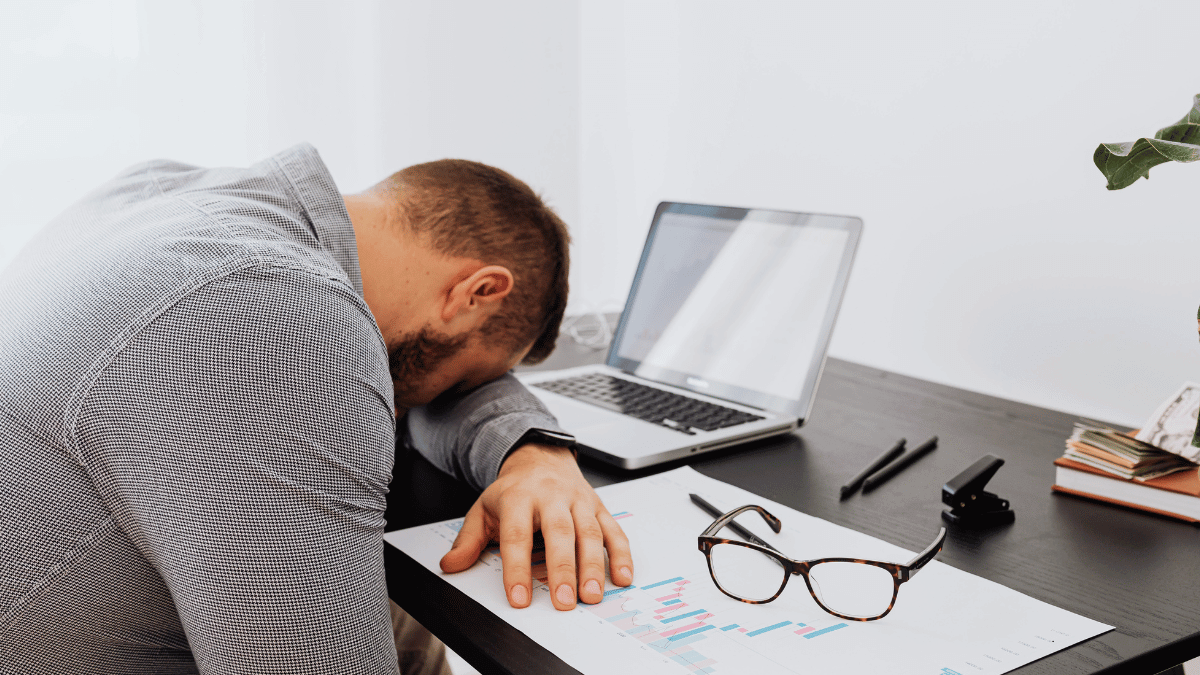
Stress and low energy levels often appear together, leaving many men feeling constantly drained even when they are getting enough sleep or not physically overexerted. This type of low energy is not always linked to physical fatigue. Instead, it develops when ongoing stress quietly consumes mental and emotional resources throughout the day.
When stress remains present for long periods, the mind stays engaged in managing pressure, expectations, and responsibilities. This continuous mental effort reduces the energy available for focus, motivation, and daily tasks. Over time, energy levels feel lower not because the body cannot perform, but because mental strain limits how energy is accessed and sustained.
What makes stress and low energy levels difficult to understand is their gradual nature. Many men continue functioning while noticing a steady decline in enthusiasm, drive, and mental stamina. Understanding how stress contributes to low energy helps explain why feeling drained can persist even without obvious physical exhaustion.
What Stress and Low Energy Levels Really Means
Stress and low energy levels describe a state where energy feels limited not because of physical weakness, but because ongoing stress reduces the mind’s ability to sustain vitality. It is not about lacking strength or motivation, but about how constant mental pressure affects how energy is experienced and maintained throughout the day.
When stress remains present, the mind stays in a state of alertness. This continuous engagement consumes mental resources that normally support focus, drive, and endurance. Even when the body is capable, energy may feel inaccessible or inconsistent. The result is a sense of being drained without clear physical cause.
What distinguishes stress-related low energy from ordinary tiredness is persistence. Temporary fatigue usually improves with rest. Low energy linked to stress tends to linger, returning quickly even after breaks or lighter days. The mind does not fully reset, which limits the ability to feel energized.
Understanding stress and low energy levels means recognizing the role of mental strain in shaping daily energy. It reflects a long-term imbalance where stress steadily reduces usable energy, making vitality feel harder to sustain despite adequate physical capacity.
Main Causes Behind Stress and Low Energy Levels
Stress and low energy levels often develop from sustained mental and emotional strain rather than physical overexertion. One primary cause is continuous mental engagement. When the mind remains occupied with pressure, responsibilities, and anticipation, it consumes energy steadily throughout the day. This ongoing effort reduces the energy available for motivation and sustained activity.
Another contributing factor is emotional load. Managing expectations, suppressing reactions, or carrying responsibility internally requires constant emotional regulation. This emotional effort draws on mental energy, which can leave a man feeling drained even when physical demands are low.
Lack of effective recovery also plays a role. When stress continues during rest—through thinking, worrying, or planning—the mind does not fully disengage. As a result, recovery remains incomplete, and energy levels do not fully restore. Over time, this pattern leads to a gradual decline in usable energy.
Finally, internal pressure can amplify energy loss. High self-expectations and the drive to stay productive often push men to ignore early signs of mental fatigue. This allows stress-related energy depletion to accumulate, making low energy feel persistent rather than situational.
Signs and Daily Effects of Stress and Low Energy Levels
Stress and low energy levels often affect daily life in ways that are subtle but persistent. Many men notice that their energy fades earlier in the day, even without heavy physical activity. Tasks that once felt manageable may now require more effort, and maintaining momentum can feel increasingly difficult.
Throughout the day, motivation may fluctuate. Mental tasks feel heavier, and sustaining focus becomes more draining. Energy dips can appear without a clear trigger, creating frustration and confusion, especially when sleep and routine have not changed. This type of low energy often feels mental first, then gradually affects physical drive.
Common daily effects include:
- Feeling drained early in the day
- Reduced motivation to start or finish tasks
- Difficulty sustaining focus and mental stamina
- A sense of heaviness or sluggishness without physical exhaustion
- Needing more effort to maintain productivity
What makes these signs challenging is that outward functioning often continues. Men may still meet responsibilities while feeling internally depleted. Over time, this mismatch between effort and energy reinforces stress-related fatigue rather than allowing energy levels to recover.
Why Stress and Low Energy Levels Is Common in Men
Stress and low energy levels are common in men largely because of how pressure is managed and sustained over time. Many men carry ongoing responsibility work demands, financial concerns, and expectations to remain productive while keeping stress internally contained. This continuous mental effort gradually reduces available energy.
Another factor is the tendency to push through fatigue. Men often normalize feeling drained, interpreting low energy as a temporary phase rather than a signal of accumulated stress. By maintaining the same pace despite declining energy, stress-related depletion is allowed to build.
Emotional restraint also contributes. Managing stress without external release keeps mental pressure active in the background. This internalized stress competes with energy needed for motivation and engagement, making low energy feel persistent.
Over time, these patterns constant responsibility, limited recovery, and internalized stress create conditions where stress and low energy levels become a familiar part of daily life rather than an occasional experience.
Understanding the Recovery Pattern / Gap
The recovery gap in stress and low energy levels forms when energy is being consumed faster than it can be restored. Ongoing stress keeps the mind in a state of alertness, even during moments meant for rest. As a result, recovery becomes partial rather than complete, and energy never fully returns to its baseline.
Mental recovery requires more than physical rest. When stress continues through constant thinking, planning, or internal pressure, the mind does not truly disengage. Even after sleep or breaks, mental demand resumes quickly, limiting how much energy is regained. This creates a cycle where energy feels temporarily improved, then drops again.
Over time, this imbalance widens the gap between effort and recovery. Daily energy starts lower and declines faster. Tasks require more effort, motivation becomes harder to sustain, and fatigue feels persistent rather than situational. Because the change is gradual, many men adapt to functioning with reduced energy without recognizing the ongoing recovery deficit.
Understanding this recovery gap explains why stress-related low energy does not resolve on its own. When stress remains constant and recovery remains incomplete, low energy becomes a stable pattern rather than a temporary state.
When Stress and Low Energy Levels Becomes a Bigger Issue
Stress and low energy levels become a bigger issue when feeling drained is no longer tied to demanding days or short periods of pressure. At this stage, low energy turns into a constant background state that affects how a man approaches daily life, work, and responsibilities. Energy does not fully return even after rest, and fatigue begins to feel familiar.
One clear sign of escalation is persistence. Low energy remains present across different situations, regardless of workload or schedule. Motivation drops more quickly, and maintaining momentum requires increasing effort. What once felt manageable now feels mentally and emotionally taxing.
Another shift occurs when low energy starts influencing confidence and engagement. Tasks may be postponed, enthusiasm fades, and mental drive weakens. This can lead to frustration or self-doubt, even though ability and commitment have not changed. The issue is not a lack of capability, but the ongoing drain caused by sustained stress.
When stress-related low energy reaches this level, it reflects a long-term imbalance between stress and recovery. Recognizing this shift is important, not as a diagnosis, but as an indication that stress has moved beyond temporary strain and is now shaping daily energy levels.
Frequently Asked Questions About Stress and Low Energy Levels
Can stress really cause low energy even without physical exhaustion?
Yes. Stress can reduce energy levels without involving physical fatigue. When stress remains present, the mind stays engaged in managing pressure, anticipation, and responsibility. This ongoing mental effort consumes energy steadily, leaving less available for motivation and sustained activity. As a result, energy feels low even when the body is physically capable.
Why does low energy from stress feel different from normal tiredness?
Normal tiredness usually follows physical effort and improves with rest. Low energy linked to stress tends to persist because mental pressure continues even during downtime. The mind does not fully disengage, so recovery remains incomplete. This creates a sense of being drained rather than simply tired.
Can stress-related low energy fluctuate during the day?
Yes. Many men experience energy that starts low, dips quickly, or varies unpredictably throughout the day. Mental tasks, decision-making, or emotional demands can accelerate energy loss. Because stress affects mental stamina, energy may drop even without increased physical activity.
Why does motivation decrease when stress affects energy levels?
Motivation relies on available mental energy. When stress consumes that energy, initiating or sustaining effort feels harder. This does not reflect a lack of discipline or interest, but rather reduced mental capacity caused by ongoing stress.
Does stress-related low energy resolve on its own over time?
In most cases, it does not. If stress remains constant and recovery remains limited, low energy tends to persist. Without changes in how stress is carried or how recovery occurs, energy levels stabilize at a lower baseline rather than gradually improving.
Practical Ways to Manage Stress and Boost Energy
When stress leads to low energy levels, simple lifestyle changes can help your body and mind recover balance. Below are practical strategies to support both mental calmness and physical vitality:
- Regular movement and light exercise: Activities such as walking or stretching help increase circulation and improve energy.
- Consistent sleep routine: Quality sleep restores both physical and mental energy.
- Balanced meals: Eating nutrient-rich foods supports your body’s energy production.
- Limit unnecessary screen time: Reducing digital overload helps the brain rest.
- Short breaks throughout the day: Brief rest periods can prevent mental burnout and help refresh focus.
These strategies are general well-being approaches and not medical treatments.
This article is for educational and informational purposes only and does not constitute medical advice, diagnosis, or treatment. Stress and low energy levels can have many causes, and individual experiences may vary. Always consult a qualified healthcare professional if your symptoms persist or interfere with daily life.
Sources
For expert-backed information on stress and energy levels, please refer to the following trusted resources:
- National Institute of Mental Health (Stress and Health):
- Mayo Clinic – Stress Symptoms and Effects:
- Psychology Today – Stress and Energy:
Conclusion
Stress and low energy levels develop when ongoing pressure steadily consumes mental and emotional resources. Rather than appearing as sudden exhaustion, this form of low energy builds gradually as stress limits the mind’s ability to sustain motivation, focus, and daily drive. Many men continue functioning while feeling increasingly drained, even when physical fatigue is not obvious.
What makes stress-related low energy especially challenging is its persistence. Because stress often remains active in the background, energy does not fully recover with rest alone. Over time, the mind adapts to operating with reduced vitality, making low energy feel like a normal part of daily life rather than a temporary response.
Understanding stress and low energy levels helps place this experience within the broader context of how sustained mental pressure affects men over time. This perspective connects closely with the wider patterns explored in Mental Stress in Men, where ongoing stress is examined as a foundational factor shaping energy, motivation, and long-term mental balance.
Written by Better Men Life Editorial Team
This article was prepared by the Better Men Life editorial team, focusing on men’s health, stress awareness, and overall well-being. Our content is designed for informational purposes and is supported by reputable health sources and publicly available research.