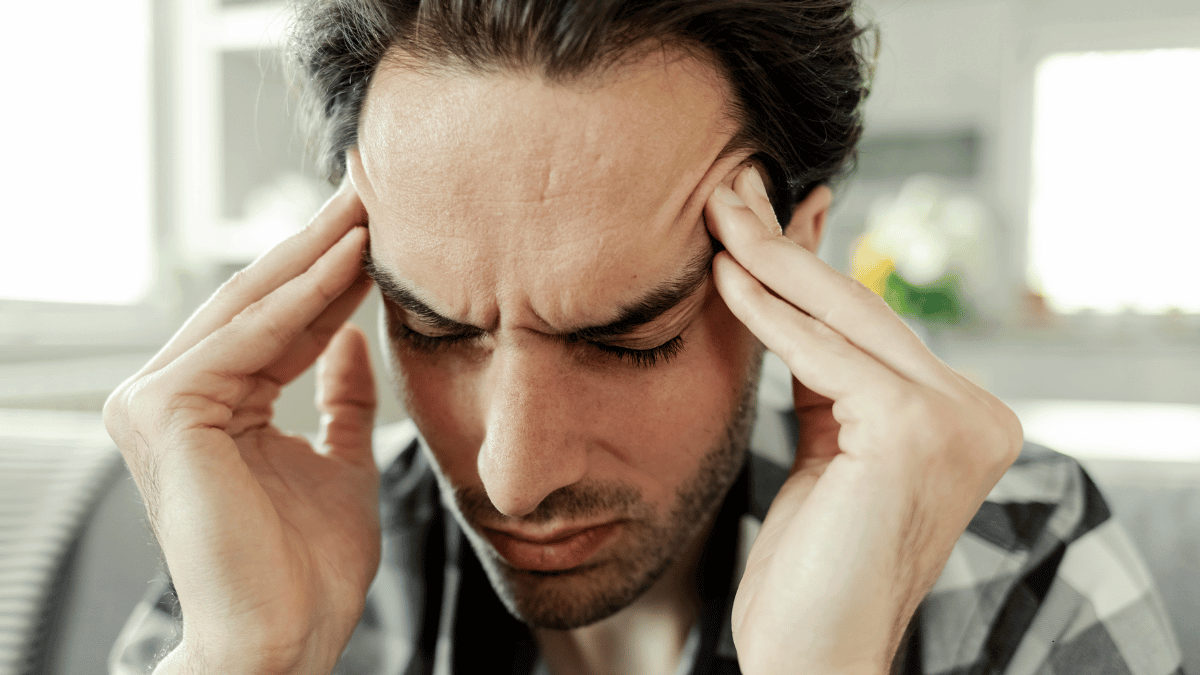
Why stress feels constant is a question many men quietly ask themselves. Even when there is no immediate crisis, stress can feel like a permanent background presence—something that never fully goes away. Days may pass without major problems, yet the sense of pressure remains, making it hard to relax or feel mentally settled.
This experience often develops when stress shifts from being situational to ongoing. Instead of rising and falling with events, pressure becomes embedded in daily thinking. The mind stays alert, anticipating responsibilities, managing expectations, and preparing for what comes next. Over time, this continuous engagement makes stress feel familiar and uninterrupted.
What makes constant stress difficult to understand is that life may appear stable on the surface. Many men continue working, providing, and functioning normally while feeling internally tense. Understanding why stress feels constant helps explain how ongoing mental patterns not just external problems can keep pressure present even during calm periods.
Why Stress Can Feel Constant Over Time
Stress can feel constant over time when the mind stops returning to a neutral state between demands. Instead of stress rising and falling in response to specific situations, it becomes woven into daily thinking. The mind remains partially engaged, scanning for what needs attention next, even during moments that should feel calm.
This shift often happens gradually. Repeated exposure to pressure trains the mind to stay alert as a default. Planning, anticipating outcomes, and managing responsibility become continuous processes rather than temporary efforts. As a result, stress no longer feels tied to a particular problem. It feels present simply because the mind has adapted to operating under pressure.
Another reason stress feels constant is that mental recovery becomes less effective. Even when external demands pause, internal thinking often continues. Unfinished concerns, expectations, or mental checklists keep the mind active, preventing full disengagement. Over time, the absence of true mental reset makes stress feel uninterrupted.
Understanding why stress can feel constant over time helps explain why pressure may persist even during stable periods. It is not always the presence of new stressors, but the continuation of mental patterns that keep stress active beneath the surface.
Main Causes Behind Why Stress Feels Constant
Stress often feels constant because its sources are no longer isolated events, but ongoing patterns. One of the main causes is continuous mental anticipation. When the mind is always preparing for what comes next tasks, responsibilities, or potential problems it rarely returns to a relaxed state. This forward-focused thinking keeps stress active even when nothing urgent is happening.
Another major cause is unresolved mental load. Thoughts that are never fully processed or closed remain active in the background. Expectations, unfinished decisions, and lingering concerns quietly occupy attention, preventing mental space from clearing. Over time, this accumulation makes stress feel permanent rather than situational.
Internal pressure also plays a strong role. Many men place constant demands on themselves to stay productive, reliable, and in control. This self-imposed pressure adds to external stressors, creating a loop where the mind stays engaged even during rest. Because this pressure comes from within, it is harder to step away from.
Finally, limited mental recovery reinforces constant stress. When rest periods are filled with thinking, planning, or worry, recovery remains incomplete. Without true mental disengagement, stress does not reset it carries over from day to day, creating the sensation of constant pressure.
Signs and Daily Effects of Constant Stress
Constant stress often shows itself through everyday mental and emotional changes rather than dramatic symptoms. Many men notice that their mind feels tense or unsettled throughout the day, even during routine activities. Relaxation becomes harder to reach, and moments of calm feel brief or incomplete.
Daily thinking may feel more effortful. The mind stays busy, jumping between concerns or responsibilities, which makes it harder to focus deeply or feel mentally at ease. Small challenges can feel more draining than they should, not because they are difficult, but because mental resources are already stretched.
Common daily effects include:
- A persistent sense of mental tension
- Difficulty fully relaxing, even during downtime
- Feeling mentally “on edge” without a clear cause
- Reduced patience or emotional flexibility
- Trouble mentally switching off at the end of the day
What makes these signs challenging is their consistency. Because they repeat day after day, they often become normalized. Men may continue functioning while feeling internally strained, unaware that constant stress is shaping their daily mental experience.
Why Constant Stress Is Common in Men
Constant stress is common in men largely because of how responsibility is experienced and carried over time. Many men operate in roles that require continuous mental availability planning, anticipating problems, and maintaining control across different areas of life. This ongoing responsibility keeps the mind engaged even when there is no immediate pressure, making stress feel ever-present.
Another factor is the tendency to internalize pressure. Rather than expressing stress outwardly, many men manage it silently. This internal management keeps stress active in the background, where it continues to occupy mental space without clear release. Over time, this creates a state where stress is no longer linked to specific situations but becomes part of daily mental functioning.
Expectations also play a role. Men are often expected to remain steady, productive, and composed regardless of internal strain. Meeting these expectations requires sustained mental effort, which limits opportunities for genuine mental disengagement. Stress becomes normalized because functioning continues, even as internal tension builds.
Together, these patterns constant responsibility, internalized pressure, and limited recovery help explain why stress so often feels constant in men. It is not always the intensity of stress that matters, but its continuity and how rarely the mind is allowed to fully reset.
Understanding the Recovery Pattern / Gap
The recovery gap in constant stress develops when mental demand remains high while opportunities for mental disengagement remain limited. The mind moves from one responsibility to another without a clear pause that allows stress to fully settle. Even during rest, internal thinking often continues, preventing true mental reset.
Mental recovery requires moments when the mind is not planning, anticipating, or managing pressure. When these moments are missing or ineffective, recovery becomes partial. Stress may ease slightly, but it does not fully lift. Over time, this incomplete recovery accumulates, making stress feel continuous rather than temporary.
As this pattern repeats, the gap between effort and recovery widens. Mental tension carries over from day to day, and the baseline level of stress gradually rises. Because the shift is gradual, many men adapt to functioning under constant pressure without realizing that recovery is no longer keeping pace.
Understanding this recovery gap helps explain why constant stress does not resolve on its own. When mental demand consistently outweighs recovery, stress becomes a stable condition rather than a response to specific challenges.
When Constant Stress Becomes a Bigger Issue
Constant stress becomes a bigger issue when it stops fluctuating and starts defining daily mental experience. At this stage, stress is no longer tied to specific challenges or busy periods. Instead, it becomes a continuous background state that shapes how a man thinks, reacts, and engages with everyday life.
One clear sign of escalation is persistence. Stress remains present even during calm periods, days off, or moments that should feel restorative. The mind no longer returns to a relaxed baseline, and mental tension feels familiar rather than temporary. This can make relaxation feel shallow or incomplete.
Another shift occurs when constant stress begins to affect mental flexibility and emotional balance. Small challenges may feel disproportionately draining, patience may decrease, and mental effort is required just to stay engaged. Over time, this can lead to a sense of mental heaviness that affects confidence and overall engagement.
When constant stress reaches this level, it reflects a long-term imbalance between mental demand and recovery. Recognizing this shift is important not as a diagnosis but as an indication that stress has moved beyond situational pressure and is now shaping daily mental functioning.
Frequently Asked Questions About Why Stress Feels Constant
Why does stress feel constant even when nothing is going wrong?
Stress can feel constant when the mind remains in a state of anticipation rather than reaction. Even if there are no immediate problems, ongoing responsibility, unfinished mental tasks, or internal expectations keep the mind engaged. This continuous engagement prevents stress from fully settling, making it feel present even during stable or calm periods.
Can constant stress exist without intense anxiety or strong emotions?
Yes. Constant stress does not always involve intense emotional reactions. Many men experience it as a steady sense of mental tension or alertness rather than fear or anxiety. Because the stress is subtle and familiar, it often goes unnoticed, even though it continues to occupy mental space.
Why does rest not fully relieve constant stress?
Rest helps when mental demand decreases alongside it. If the mind continues thinking, planning, or anticipating during rest, recovery remains incomplete. As a result, stress does not fully reset. This is why constant stress can persist even after sleep, weekends, or time away from work.
How does constant stress become normalized over time?
When stress is present for long periods, the mind adapts to it as a baseline state. What once felt uncomfortable gradually feels normal. This adaptation allows daily functioning to continue, but it also makes constant stress harder to recognize as something that has changed.
Does constant stress mean something is seriously wrong?
Not necessarily. Constant stress often reflects long-term patterns of mental demand and limited recovery rather than a single serious issue. Recognizing it is less about labeling a problem and more about understanding how ongoing pressure has become embedded in daily mental life.
Practical Ways to Cope When Stress Feels Constant
Feeling like stress never goes away can take a toll on your mental well-being. While stress is a natural part of life, there are practical strategies that can help you regain balance and reduce its constant presence:
- Establish regular routines: Structured daily habits can help your mind feel more in control and less overwhelmed.
- Practice mindfulness and breathing exercises: Simple breathing techniques can calm your nervous system, even in moments of pressure.
- Limit digital distractions: Reducing notifications and screen time can ease mental overload.
- Stay socially connected: Talking with friends, family, or a counselor can help you process stress and gain perspective.
- Prioritize restful sleep: Quality sleep restores mental energy and helps reduce persistent feelings of stress.
These approaches are for general well-being and are not medical treatments but can support your mental health when practiced regularly.
This article is for educational and informational purposes only and does not constitute medical advice, diagnosis, or treatment. The experience of stress can vary widely from person to person, and persistent symptoms may require professional evaluation. Always consult a qualified healthcare provider for personalized medical advice if your stress interferes with daily functioning.
Sources
For reliable information about stress and mental health, you can reference the following trusted resources:
- National Institute of Mental Health – Stress and Mental Health
- Psychology Today – Understanding Stress
- Mayo Clinic – Stress Management Tips
Conclusion
Stress feels constant when mental pressure becomes a default state rather than a response to specific situations. Over time, ongoing responsibility, anticipation, and internal expectations keep the mind engaged even during moments that should feel calm. Instead of resetting, stress carries over from one day to the next, shaping daily mental experience.
What makes constant stress especially difficult is how easily it becomes normalized. Many men continue functioning, working, and meeting responsibilities while feeling internally tense or unsettled. Because there is no clear breaking point, stress is often accepted as part of everyday life rather than recognized as a long-term pattern.
Understanding why stress feels constant helps place this experience within a broader perspective of men’s mental health. This wider context is explored further in Mental Stress in Men, where ongoing pressure and sustained mental load are examined as foundational elements influencing how stress develops and persists over time.
Written by Better Men Life Editorial Team
This article was prepared by the Better Men Life editorial team, focusing on men’s mental well-being, stress resilience, and lifestyle awareness. Our content is intended for informational purposes and is based on reputable health sources and publicly available research.