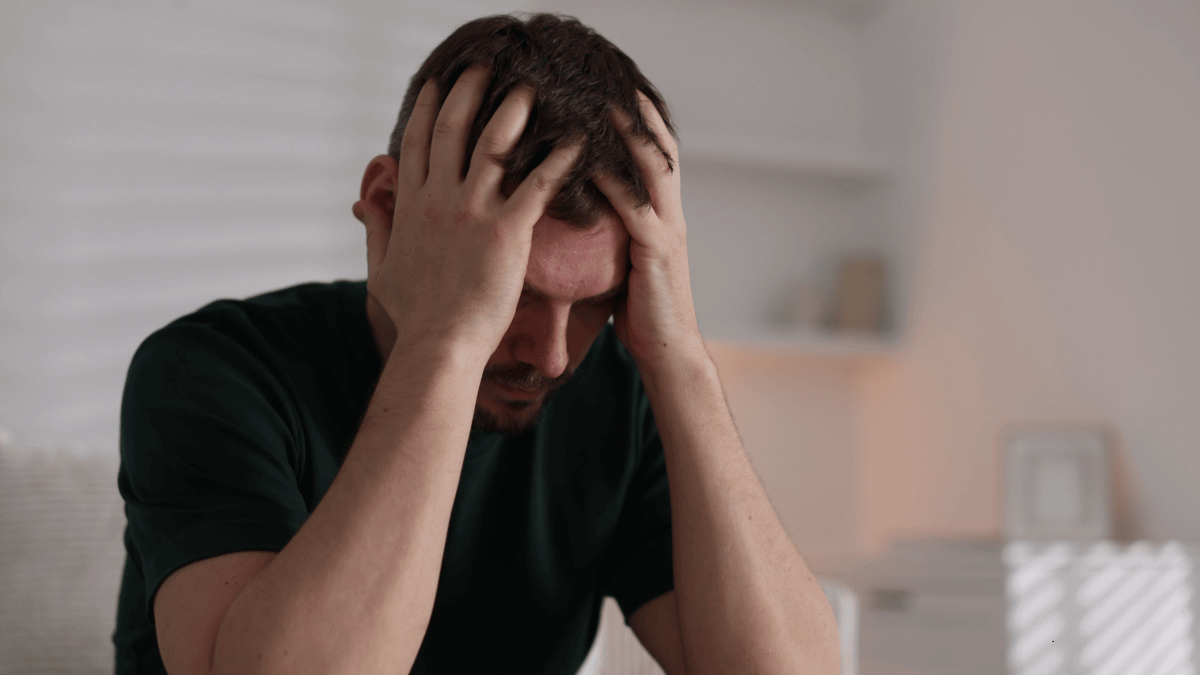
Mental stress is often treated as a temporary response to pressure, but for many men, it becomes a constant background state rather than a short-term reaction. Responsibilities, expectations, and ongoing demands can keep the mind under continuous strain, gradually turning stress into a persistent condition rather than an occasional experience.
For men experiencing chronic mental stress in men, the issue is rarely tied to a single event. Instead, stress accumulates quietly over time, shaping how the mind responds to daily challenges. Even when external pressure seems manageable, the nervous system may remain in a heightened state, making it difficult to fully relax or mentally disengage.
Chronic mental stress does not always feel intense. In many cases, it presents as ongoing tension, mental fatigue, or a sense of being constantly “on edge.” Because men often adapt by pushing through, this pattern can become normalized, masking its long-term impact on energy, focus, and emotional balance.
Understanding chronic mental stress as a sustained pattern rather than a momentary feeling helps explain why it can persist even during calmer periods. When stress becomes chronic, recovery is incomplete, and mental load continues to carry forward from one day to the next.
What Chronic Mental Stress in Men Really Means
Chronic mental stress in men refers to a sustained state of psychological pressure that does not fully resolve, even during periods of rest. Unlike short-term stress, which rises in response to a challenge and then fades, chronic stress remains present in the background, shaping how the mind reacts to everyday situations.
What defines this type of stress is persistence. The mind stays partially alert, tense, or overloaded most of the time, even when there is no immediate threat or demand. Men may feel constantly under pressure, mentally busy, or unable to fully switch off. This ongoing activation prevents true mental recovery and gradually drains cognitive and emotional resources.
Chronic mental stress is not always dramatic or overwhelming. In many cases, it feels subtle and familiar. Men may describe it as constant tension, low-level anxiety, or a sense of carrying too much mentally. Because this state develops gradually, it often becomes normalized and difficult to recognize as a problem rather than a personality trait or lifestyle consequence.
Understanding chronic mental stress in men as a long-term pattern helps explain why it does not disappear with a good night’s sleep or a short break. Recovery requires more than temporary relief, because the stress response itself has become the default state. This distinction is essential for recognizing why chronic stress affects energy, focus, and resilience over time.
Main Causes Behind Chronic Mental Stress
Chronic mental stress in men usually develops from ongoing pressures that accumulate rather than from a single overwhelming event. When demands remain constant and recovery is incomplete, the mind stays in a prolonged state of alertness, gradually turning stress into a baseline rather than a response.
One major cause is sustained responsibility without mental downtime. Work demands, financial pressure, family obligations, and decision-making load can keep the mind continuously engaged. Even when tasks are manageable individually, their constant presence prevents the nervous system from fully disengaging, allowing stress to persist in the background.
Another key factor is mental carryover. Many men mentally replay problems, plan ahead, or remain preoccupied with unresolved issues long after the day ends. This ongoing mental activity extends stress beyond the actual situation, limiting recovery during evenings and sleep. Over time, the mind loses its ability to fully reset.
Lifestyle patterns also contribute. Irregular routines, limited boundaries between work and rest, and constant digital stimulation reduce opportunities for mental decompression. When there is no clear separation between effort and recovery, stress gradually becomes chronic rather than situational.
Common contributing factors often overlap, including:
- Continuous responsibility and decision-making pressure
- Ongoing mental engagement outside active tasks
- Lack of clear recovery boundaries during the day
- Persistent low-level stress without resolution
When these factors remain present over long periods, stress stops behaving like a temporary response. Instead, it becomes a stable mental state, explaining why chronic mental stress can persist even when external pressure appears moderate.
Signs and Daily Effects of Chronic Mental Stress
The effects of chronic mental stress often appear gradually in daily life rather than as sudden or intense symptoms. Because stress becomes familiar over time, many men do not immediately recognize its impact. Instead, they adapt to functioning under constant mental pressure, unaware of how deeply it shapes their energy, focus, and emotional balance.
One of the most common signs is persistent mental fatigue. Men may feel mentally drained even after rest, with concentration fading more quickly throughout the day. Tasks that once felt manageable begin to require more effort, and mental endurance declines. This fatigue is not extreme, but it is constant enough to affect productivity and clarity.
Emotionally, chronic mental stress can reduce tolerance to everyday challenges. Small issues feel more irritating, patience wears thin faster, and emotional responses may feel less controlled. Over time, this heightened sensitivity increases overall mental strain, reinforcing the stress cycle rather than relieving it.
Physical effects may also appear indirectly. Chronic stress often disrupts sleep quality, reduces recovery efficiency, and contributes to low or unstable energy levels during the day. The body may not feel exhausted, but it feels less resilient and slower to recover from effort.
Common daily effects include:
- Ongoing mental fatigue and reduced focus
- Increased irritability and lower stress tolerance
- Difficulty mentally disengaging during rest
- Unstable energy and reduced recovery
Together, these effects show how chronic mental stress quietly reshapes daily functioning. Rather than causing dramatic breakdowns, it gradually lowers mental capacity and resilience, making everyday life feel heavier and more demanding over time.
Why Chronic Mental Stress Is Common in Men
Chronic mental stress is common in men largely because of how responsibility, expectations, and coping habits interact over time. Many men operate in roles that demand constant problem-solving, decision-making, and reliability. Even when external pressure is not extreme, the expectation to remain mentally available keeps stress active beneath the surface.
Another contributing factor is adaptation. Men often learn to function under pressure by pushing through discomfort rather than addressing mental strain directly. Because productivity and responsibility are maintained, ongoing stress is rarely questioned. Over time, this adaptation normalizes mental tension and makes chronic stress feel like a natural part of daily life rather than a signal of imbalance.
Lifestyle structure also plays a role. Limited mental downtime, blurred boundaries between work and rest, and continuous exposure to information reduce opportunities for recovery. When the mind rarely disengages fully, stress does not resolve; it accumulates. This pattern is especially common in men who carry responsibility across multiple areas of life without clear periods of mental release.
Cultural expectations further reinforce chronic stress. Endurance, self-control, and emotional restraint are often valued more than mental recovery. This discourages acknowledgment of ongoing stress and delays awareness of its long-term impact. As a result, men may continue operating under chronic mental strain long after it begins affecting energy, focus, and emotional balance.
Understanding why chronic mental stress is so common in men helps explain why it often persists unnoticed. It is not caused by weakness or lack of resilience, but by prolonged exposure to pressure without sufficient mental recovery built into daily life.
Understanding the Long-Term Stress Pattern
Chronic mental stress in men follows a long-term pattern that builds through repetition rather than intensity. Instead of sharp spikes of pressure, stress remains present at a steady level, slowly reshaping how the mind responds to daily demands. Over time, this sustained activation becomes the default state rather than a temporary reaction.
In this pattern, recovery never fully completes. Even during rest, the mind remains partially engaged—planning, reviewing, or anticipating what comes next. Because stress does not fully shut off, mental load carries forward from one day to the next. Each day begins with residual strain, reducing available mental capacity before new demands even appear.
As this pattern continues, stress sensitivity increases. Situations that once felt manageable begin to feel heavier, not because demands have changed, but because the mind is already operating under strain. This creates a feedback loop: ongoing stress reduces recovery, reduced recovery increases sensitivity, and increased sensitivity reinforces stress.
What makes this pattern difficult to break is its subtlety. There is no clear moment where stress “starts.” Instead, it becomes woven into daily functioning, influencing focus, emotional balance, and energy levels without drawing attention to itself. Men may continue performing well outwardly while internally carrying a growing mental burden.
Understanding chronic mental stress as a long-term pattern rather than a series of stressful events helps explain why short breaks or brief rest periods often provide limited relief. Meaningful improvement requires interrupting the cycle of constant mental activation and restoring conditions that allow stress responses to fully reset over time.
Frequently Asked Questions About Chronic Mental Stress in Men
Can chronic mental stress happen without a clear cause?
Yes. Chronic mental stress often develops from accumulated pressure rather than a single identifiable problem. Ongoing responsibilities, constant thinking, and lack of mental recovery can create stress even when life appears stable.
Why does chronic mental stress feel normal after a while?
The mind adapts to long-term pressure. Over time, constant stress becomes familiar, making it harder to recognize as a problem. This adaptation can mask how much mental energy is being drained daily.
Is chronic mental stress always emotionally intense?
Not necessarily. Many men experience chronic mental stress as mental heaviness, reduced focus, or emotional flatness rather than strong emotions like anxiety or sadness.
Can chronic mental stress affect daily performance?
Yes. Persistent mental stress often reduces concentration, decision-making clarity, and motivation. Tasks may feel more demanding even when their difficulty has not changed.
Does chronic mental stress resolve on its own?
In most cases, it does not. Without changes in mental load, recovery habits, or daily pressure patterns, chronic mental stress tends to persist rather than fade.
Practical Ways to Address Chronic Mental Stress in Men
Chronic mental stress can affect both the mind and body over time, but incorporating consistent habits and lifestyle adjustments can support better mental resilience and overall well-being. Consider the following strategies:
- Balanced daily routines: Structured schedules can reduce overwhelm and increase a sense of control.
- Mindful breathing or meditation: Short mindfulness sessions can help reset the nervous system.
- Regular physical activity: Movement supports mood and helps reduce stress hormones.
- Strong social support: Talking with friends, family, or a counselor can lighten emotional burden.
- Adequate restful sleep: Prioritizing sleep helps your body and brain recover from chronic stress.
These techniques are general well-being practices and not medical treatments, but they can support men in better managing chronic stress when used regularly.
This article is for educational and informational purposes only and does not constitute medical advice, diagnosis, or treatment. Chronic mental stress can vary in its effects and severity across individuals. If you experience persistent or worsening symptoms, please consult a qualified healthcare professional for personalized medical advice.
Sources
For trusted and expert-based information about chronic stress and its effects:
- National Institute of Mental Health – Stress and Health
- Mayo Clinic – Chronic Stress
- Psychology Today – Stress and the Mind
Conclusion
Chronic mental stress in men is rarely loud or dramatic. It often builds quietly through constant responsibility, ongoing pressure, and limited mental recovery. Because many men continue functioning day after day, this type of stress can remain unnoticed while steadily draining mental clarity, emotional balance, and internal energy.
What makes chronic mental stress especially challenging is how normal it begins to feel. When pressure becomes constant, the mind adapts instead of recovering. Over time, this adaptation creates patterns where stress no longer feels temporary, but instead becomes part of daily life.
Understanding chronic mental stress in men is not about identifying a single cause or symptom. It is about recognizing long-term patterns—persistent mental load, shrinking recovery gaps, and the gradual accumulation of pressure. These patterns connect closely to broader experiences of mental pressure discussed in Mental Stress in Men, where stress is explored as a wider and more foundational issue affecting men’s daily lives.
Written by Better Men Life Editorial Team
This article was prepared by the Better Men Life editorial team, focusing on men’s mental well-being, emotional health, and lifestyle education. Our content is intended for informational purposes and is supported by reputable health sources and publicly available research.