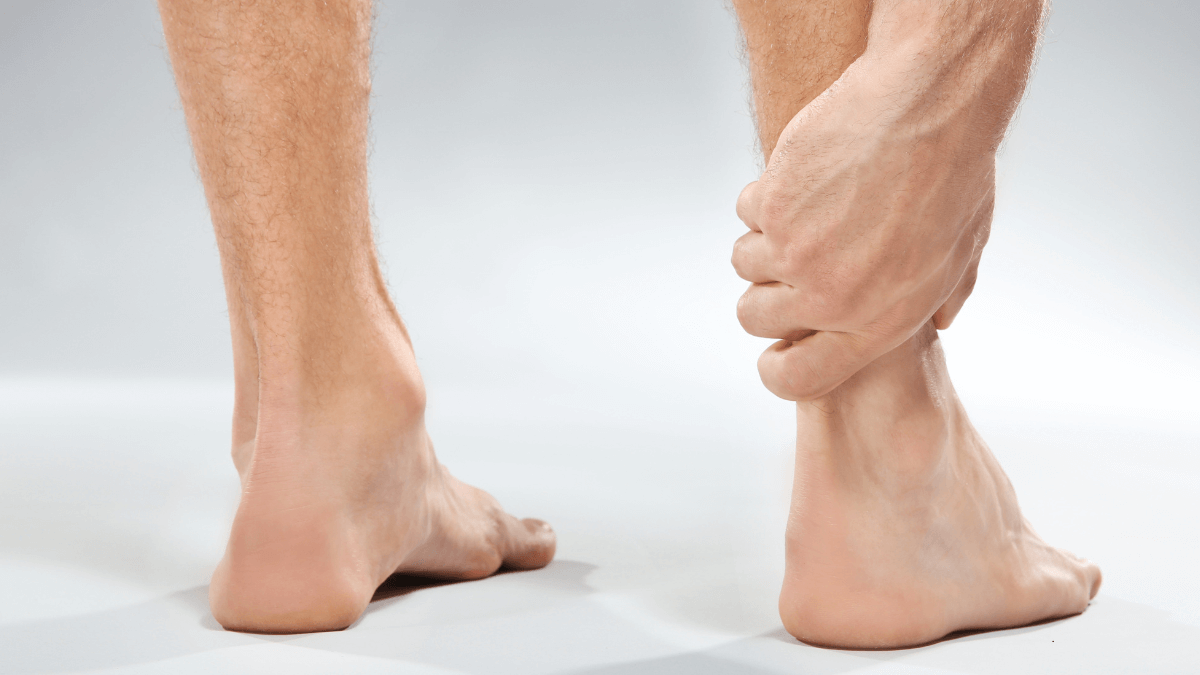
Feeling that your legs are exhausted without having exercised can be confusing and unsettling. Many men expect leg fatigue to follow physical effort, long walks, or demanding workouts, so experiencing heaviness or weakness during otherwise inactive days often raises questions.
The sensation may appear suddenly or develop gradually, making routine movements feel more demanding than usual despite minimal physical strain. Because there is no clear trigger, this type of exhaustion is often dismissed or misunderstood.
What makes exhausted legs without exercise important to pay attention to is that the cause is rarely limited to the muscles themselves. In many cases, this feeling reflects how the body is managing energy, stress, and recovery throughout the day.
When these systems fall out of balance, the legs—being large, constantly engaged muscle groups—can become one of the first areas to signal that something is off.
Understanding this sensation as a potential indicator rather than an isolated discomfort helps clarify why leg exhaustion can occur even in the absence of physical activity.
What Does “Exhausted Legs Without Exercise” Feel Like?
When legs feel exhausted without exercise, the sensation is usually subtle but persistent rather than sharp or painful. Instead of the familiar soreness that follows physical effort, many men describe a deep heaviness or weakness that makes the legs feel slow to respond.
Movements that are normally automatic—such as standing up, walking short distances, or maintaining balance—can require more conscious effort, as if the legs are not fully supporting the body. This feeling may develop gradually throughout the day or appear unexpectedly, even during periods of rest.
What distinguishes this type of exhaustion is how little it improves with inactivity. Sitting or lying down does not always restore comfort, and the legs may continue to feel drained despite the absence of physical strain. In practical terms, men often notice a combination of sensations such as:
- a lingering heaviness that does not ease with rest
- reduced strength or responsiveness during simple movements
- a sense that the legs lack energy rather than being overworked
Because these sensations are not dramatic and do not follow obvious exertion, they are easy to dismiss. However, this pattern often reflects a broader issue with how the body is managing energy, recovery, and nervous system load, rather than a problem limited to the leg muscles themselves.
Common Reasons Legs Feel Exhausted Without Physical Activity
When legs feel exhausted without physical activity, the cause is often rooted in how the body is functioning overall rather than in the muscles alone. One of the most common reasons is a general drop in available energy, where the body struggles to distribute fuel efficiently throughout the day.
Because the legs are large muscle groups that support posture and movement continuously, they are especially sensitive to even mild energy deficits. When recovery is incomplete or daily demands quietly exceed the body’s capacity, the legs may begin to feel drained despite minimal use.
Another important factor is prolonged inactivity. Long hours of sitting or standing in one position can reduce circulation and limit muscle engagement, creating a state where the legs feel heavy or weak once movement resumes.
At the same time, mental and emotional stress can place constant demands on the nervous system, interfering with muscle coordination and recovery. This combination often explains why leg exhaustion appears on low-activity days, as physical fatigue is being driven by systemic strain rather than exertion.
In many men, this pattern reflects broader energy imbalances discussed in Low Energy in Men, where physical and mental pressures gradually reduce the body’s baseline resilience.
In practical terms, legs may feel exhausted without exercise due to a mix of influences such as:
- reduced overall energy availability throughout the day
- prolonged sitting or limited circulation
- sustained mental stress that affects physical recovery
What makes these reasons difficult to recognize is their cumulative nature. Rather than causing sudden discomfort, they slowly lower the body’s capacity to support movement, allowing leg exhaustion to become a recurring experience even in the absence of physical effort.
The Role of the Nervous System and Mental Stress
The nervous system plays a central role in how the legs feel, even when there is no physical exertion involved. When mental stress becomes persistent, the body often remains in a state of heightened alertness, making it harder for muscles to relax and recover fully.
This constant low-level tension can interfere with coordination, circulation, and energy distribution, leaving the legs feeling heavy or unresponsive. In this state, muscle fatigue is not caused by use, but by the nervous system’s inability to shift into proper recovery mode.
Mental stress also affects how the brain communicates with the muscles. Prolonged cognitive load, emotional pressure, or lack of mental rest can reduce the efficiency of these signals, making movements feel less smooth and more effortful.
Over time, this disconnect can create the sensation that the legs are “drained” even during calm or inactive periods. Men may notice that leg exhaustion becomes more noticeable on mentally demanding days, regardless of how physically active they have been.
In practical terms, nervous system strain can contribute to exhausted legs through factors such as:
- prolonged mental focus without adequate breaks
- ongoing emotional tension or worry
- difficulty fully relaxing, even during rest
Because mental stress does not always feel physical, its effects on the body are often underestimated. Recognizing the role of the nervous system helps explain why leg exhaustion can occur without exercise and why addressing mental load is often just as important as managing physical activity.
Exhausted Legs and Daily Habits
Daily habits often determine whether leg exhaustion becomes occasional or persistent. Small, repeated behaviors can quietly shape how well the legs recover and maintain energy, even when physical activity is limited.
Irregular sleep schedules, long stretches of inactivity, and inconsistent daily routines can all reduce the body’s ability to reset. When recovery is fragmented, the legs may start each day already operating below their optimal level, making exhaustion feel disproportionate to actual effort.
Sedentary routines are especially influential. Sitting for extended periods limits muscle engagement and circulation, while sudden bursts of movement after inactivity can feel unusually demanding.
At the same time, poor sleep quality reduces the body’s capacity to restore energy overnight, allowing fatigue to accumulate. When these habits persist, the legs are often the first area to reflect the strain, as they are constantly involved in posture and movement throughout the day.
In practical terms, daily habits that commonly contribute to exhausted legs include:
- inconsistent sleep and recovery routines
- prolonged sitting with minimal movement breaks
- irregular daily rhythms that disrupt energy balance
Because these patterns develop gradually, their impact is easy to overlook. Addressing leg exhaustion therefore often requires looking beyond isolated symptoms and examining how everyday habits influence the body’s ability to recover and sustain energy over time.
When Exhausted Legs Are Part of a Bigger Pattern
Exhausted legs without exercise are often not an isolated issue, but part of a wider pattern affecting the body’s overall energy and recovery capacity. When leg exhaustion appears repeatedly alongside general tiredness, reduced stamina, or slower recovery, it suggests that the body is struggling to maintain balance on multiple levels.
In these situations, the legs act as an early warning system, signaling that available energy is being stretched thin across daily demands.
This broader pattern becomes clearer when leg exhaustion does not resolve with simple rest or reduced activity. Instead of feeling refreshed after downtime, the heaviness or weakness in the legs may persist, mirroring how the body feels as a whole.
This is why exhausted legs often align with the wider fatigue patterns discussed in Low Energy in Men, where physical strain, mental load, and incomplete recovery gradually lower the body’s baseline energy level.
In practical terms, exhausted legs are more likely to be part of a bigger pattern when they occur together with:
- ongoing fatigue that affects the entire body
- reduced endurance or slower recovery from daily tasks
- a general sense of physical heaviness or low vitality
Seeing leg exhaustion within this broader context helps avoid focusing on the symptom alone. Instead, it encourages a more complete view of how daily habits, stress, and recovery influence the body’s overall capacity to function and restore energy.
When to Pay Attention
Exhausted legs without exercise deserve closer attention when the sensation becomes persistent or begins to interfere with daily life. Occasional heaviness can happen to anyone, but when the feeling returns frequently or lasts for extended periods, it may indicate that the body is no longer compensating effectively.
Men often show resilience by pushing through discomfort, but doing so can mask patterns that would otherwise signal the need for adjustment in recovery or daily routines.
What matters most is not the intensity of the sensation, but its consistency and impact. When leg exhaustion starts influencing how confidently a man moves, stands, or approaches everyday tasks, it suggests that the issue is no longer temporary.
Paying attention to timing, triggers, and duration can help distinguish between normal fluctuations and a recurring pattern that deserves consideration.
Signs that exhausted legs may require closer attention include:
- fatigue that persists despite rest or lighter days
- increasing frequency or duration of leg heaviness
- noticeable impact on movement, balance, or confidence
Recognizing these signs early allows for more thoughtful responses before exhaustion becomes deeply ingrained. Rather than ignoring the sensation, viewing it as feedback from the body can help guide healthier adjustments in habits, recovery, and overall energy management.
Frequently Asked Questions About Exhausted Legs Without Exercise
Why do my legs feel exhausted even on days I don’t exercise?
Leg exhaustion without exercise often reflects how the body is managing energy, stress, and recovery rather than muscle overuse. Prolonged sitting, mental strain, or incomplete recovery can leave the legs feeling drained despite minimal physical activity.
Can mental stress really cause leg exhaustion?
Yes. Ongoing mental or emotional stress can keep the nervous system in a heightened state, which interferes with muscle coordination and relaxation. This can make the legs feel heavy or weak even when they have not been physically challenged.
Is it normal for exhausted legs not to improve with rest?
When leg exhaustion is linked to broader energy or recovery issues, simple rest may not provide immediate relief. In such cases, the sensation often persists because the underlying imbalance has not been addressed.
Does sitting all day contribute to exhausted legs?
Extended sitting can reduce circulation and muscle engagement in the lower body. When movement resumes after long periods of inactivity, the legs may feel unusually tired or unresponsive.
When should exhausted legs be taken seriously?
Exhausted legs should be taken seriously when the sensation is frequent, long-lasting, or begins to affect daily movement and confidence. Persistent patterns are more important to notice than occasional fatigue.
Practical Ways to Relieve Leg Exhaustion Without Exercise
Feeling exhausted in your legs even without physical exertion can be frustrating and affect your comfort and daily functioning. While underlying causes may vary, the following supportive habits may help reduce sensations of heaviness and tiredness in the legs:
- Take short movement breaks: Even gentle standing or slow walking around the room can help improve circulation and reduce stiffness.
- Elevate your legs periodically: Raising your legs above heart level for a few minutes can help improve blood flow and reduce fatigue sensations.
- Wear comfortable, supportive footwear: Shoes that provide good arch and heel support can reduce strain on leg muscles.
- Stay hydrated: Drinking enough water supports muscle health and energy throughout the day.
- Consider a balanced diet: Foods rich in potassium and magnesium (like bananas and nuts) support muscle function and may reduce feelings of heaviness.
These strategies are general well-being habits and not medical treatments, but they can support leg comfort and reduce fatigue when practiced regularly.
This article is for educational and informational purposes only and does not constitute medical advice, diagnosis, or treatment. Legs feeling exhausted without exercise can be influenced by various factors including circulation, posture, stress, or underlying health conditions. If symptoms persist, worsen, or are accompanied by pain, swelling, numbness, or other concerning signs, please consult a qualified healthcare professional for personalized evaluation and guidance.
Sources
For reputable, expert-based information on muscle fatigue, circulation, and leg discomfort, refer to the following trusted resources:
- Mayo Clinic – Muscle Fatigue and Circulation
- National Institutes of Health – Muscle and Circulatory Health
- WebMD – Muscle Fatigue and Leg Tiredness
Conclusion
Feeling that your legs are exhausted without exercise can be unsettling, especially when there is no clear physical reason for the sensation. In many cases, this type of leg exhaustion reflects how the body is coping with energy demands, mental stress, and recovery rather than a problem limited to the muscles themselves.
Because the legs play a constant role in supporting movement and posture, they often reveal imbalances earlier than other parts of the body.
Viewing exhausted legs as a signal rather than an isolated inconvenience can help shift attention toward the bigger picture. By noticing patterns, daily habits, and recovery quality, men can better understand what their bodies are communicating.
Exploring related topics on overall energy and recovery can provide further insight, helping turn recurring leg exhaustion into an opportunity to restore balance and improve long-term well-being.
Written by Better Men Life Editorial Team
This article was researched and prepared by the Better Men Life editorial team, focusing on men’s muscle energy, circulation, and overall well-being. Our content is intended for informational purposes and is supported by reputable health sources and publicly available research.