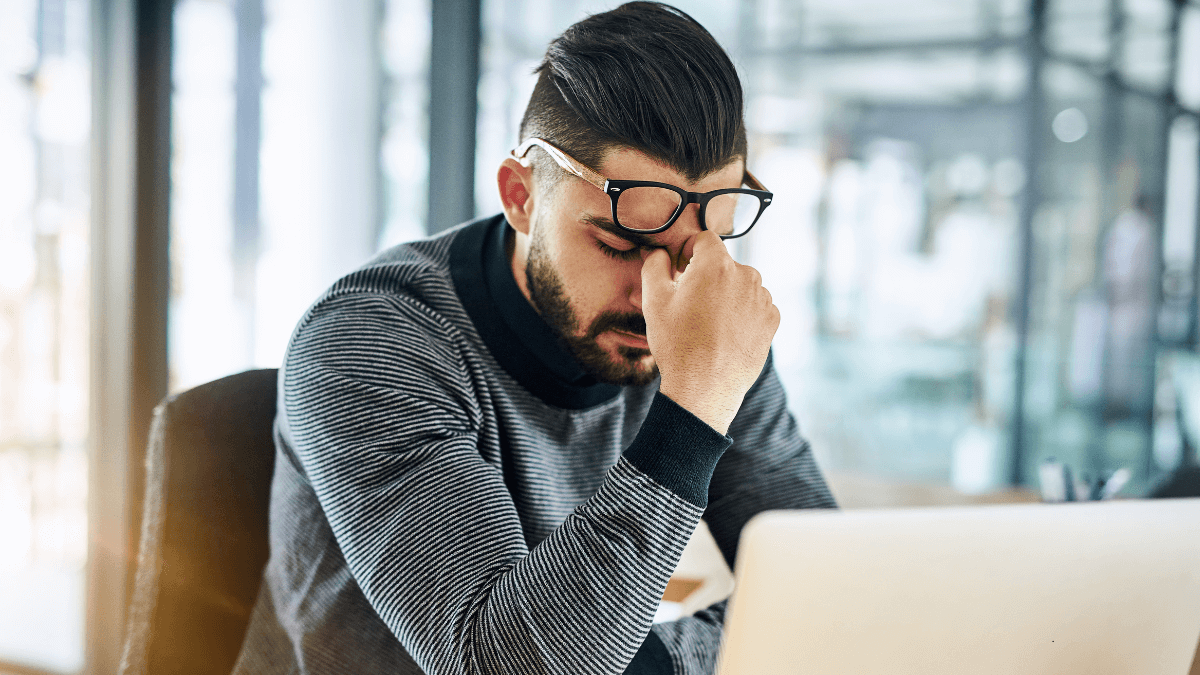
Many men notice that they run out of energy faster than they used to. Simple physical activities such as walking, climbing stairs, carrying objects, or exercising lightly begin to feel exhausting. This reduced capacity to sustain physical effort is often described as low stamina in men, and it can significantly affect daily life, confidence, and performance.
Low stamina is not just about being out of shape. It reflects how efficiently the body produces, manages, and sustains energy during activity. When stamina is low, the body reaches fatigue quickly, forcing men to stop, slow down, or avoid physical effort altogether. Over time, this can lead to frustration, reduced motivation, and a more sedentary lifestyle.
Many men assume that low stamina is a normal part of aging or a temporary phase caused by stress or lack of exercise. However, consistently low endurance is usually a sign that the body’s energy systems are not functioning optimally. Poor recovery, low baseline energy, stress, and lifestyle habits often play a bigger role than age alone.
In this article, we will explain what low stamina really means, why it is so common in men, the key signs to recognize, and practical ways to rebuild endurance and restore physical capacity in a sustainable way.
What Is Low Stamina in Men?
Low stamina in men refers to a reduced ability to sustain physical effort over time, even during activities that should feel manageable. Instead of maintaining steady performance, the body reaches fatigue quickly, forcing men to slow down, pause, or stop altogether. This experience is not limited to intense exercise; it often appears during everyday movements such as walking, standing, or carrying light loads.
Stamina reflects how efficiently the body produces energy, delivers oxygen to muscles, and recovers during ongoing activity. When these systems are balanced, physical effort feels stable and controlled. When stamina is low, energy output drops rapidly, making endurance unreliable and inconsistent. This decline often happens gradually, making it easy to overlook until daily life is affected.
Men with low stamina commonly notice:
- Fatigue appearing early during physical activity
- Difficulty sustaining effort at a steady pace
- The need for frequent breaks during normal tasks
Low stamina is frequently mistaken for poor motivation or lack of fitness. In reality, it usually signals inefficient energy use and incomplete recovery rather than unwillingness to exert effort. Factors such as sleep quality, stress levels, nutrition, hydration, and overall energy balance strongly influence how much stamina the body can sustain.
Another important distinction is between general tiredness and low stamina. Tiredness may vary from day to day, while low stamina consistently limits endurance. Even when motivation is high, the body reaches exhaustion quickly, indicating a physical limitation rather than a mental one.
Recognizing low stamina as a functional issue—not a personal weakness—is the first step toward rebuilding endurance and restoring confidence in physical ability.
Main Causes of Low Stamina in Men
Low stamina in men rarely has a single cause. In most cases, it develops from a combination of factors that reduce the body’s ability to produce and sustain energy during physical activity. These factors often build up gradually, making the decline in endurance feel normal rather than problematic.
One of the most common contributors to low stamina is poor recovery. When sleep quality is low or inconsistent, the body does not fully restore its energy systems. Muscles recover more slowly, and endurance decreases over time. Even when sleep duration seems adequate, shallow or fragmented sleep can limit physical recovery and reduce stamina.
Chronic stress also plays a significant role. Ongoing mental pressure keeps stress hormones elevated, which interferes with energy production and oxygen delivery to muscles. Over time, this constant strain reduces physical resilience and makes sustained effort feel more demanding than it should.
Another key factor is inadequate nutrition and hydration. The body requires sufficient fuel and fluids to maintain endurance. When meals are skipped, diets lack balance, or hydration is poor, energy output becomes inconsistent. This leads to early fatigue during physical activity and reduced stamina throughout the day.
Men with low stamina often share common contributing factors:
- Poor sleep quality or irregular sleep patterns
- Chronic stress or mental overload
- Inadequate nutrition or hydration
Physical inactivity can also worsen low stamina. A sedentary lifestyle weakens cardiovascular efficiency and muscle endurance, making physical effort feel harder over time. At the same time, excessive physical strain without proper recovery can have a similar effect, pushing the body beyond its ability to sustain endurance.
Low baseline energy levels tie many of these causes together. When overall energy is low, stamina naturally declines, even if no single factor appears severe on its own. Recognizing these underlying causes is essential for rebuilding endurance effectively.
Common Signs and Symptoms of Low Stamina
Low stamina often reveals itself through subtle but consistent signs that affect daily physical performance. Many men do not notice the problem immediately because the decline happens gradually. What starts as mild fatigue during activity slowly becomes a pattern of early exhaustion that limits endurance and confidence.
One of the most noticeable signs is running out of energy much faster than expected. Activities that once felt manageable—such as walking moderate distances, standing for extended periods, or doing light exercise—begin to feel demanding. The body reaches fatigue quickly, forcing frequent pauses or a reduced pace.
Another common symptom is difficulty maintaining steady effort. Men with low stamina may start activities feeling capable, but their energy drops sharply after a short time. This inconsistency makes physical performance unpredictable and discouraging.
Low stamina often comes with a general sense of physical heaviness. Muscles may feel weak or resistant, especially during prolonged movement. This heaviness is not necessarily painful, but it creates the feeling that the body is working harder than it should.
Men experiencing low stamina frequently notice:
- Early fatigue during normal physical tasks
- Reduced endurance compared to the past
- A need for frequent breaks during activity
Over time, low stamina can also affect motivation. When physical effort consistently leads to exhaustion, men may avoid activity altogether. This avoidance further reduces endurance and strengthens the cycle of declining stamina.
Recognizing these signs early is important. Low stamina is not simply a lack of fitness or motivation—it is often a signal that the body’s energy systems need attention and support.
Why Low Stamina Is Common in Men
Low stamina is especially common in men because of a combination of biological sensitivity, lifestyle patterns, and long-term pressure. These factors often overlap, making reduced endurance feel normal rather than a sign that something needs to be corrected.
Many men live under constant physical and mental demands. Work responsibilities, long hours, financial pressure, and the expectation to remain productive often push recovery to the background. Even when men rest, their bodies may not fully recover because stress remains high and energy systems stay strained. Over time, this reduces the body’s ability to sustain effort.
Another reason low stamina is common is how men tend to respond to fatigue. Instead of adjusting habits early, many push through tiredness and rely on willpower or stimulants. While this may work short term, it gradually drains physical reserves and weakens endurance. The body adapts by lowering stamina as a protective response.
Sleep quality also plays a critical role. Many men sleep fewer hours than needed or experience fragmented sleep due to stress, screens, or irregular schedules. Without consistent deep recovery, stamina declines even if overall health appears acceptable.
Men with low stamina often share lifestyle patterns such as:
- High stress with limited recovery time
- Irregular sleep and inconsistent routines
- Reduced daily movement or prolonged sitting
Hormonal sensitivity further contributes to the issue. Male energy and endurance are closely linked to recovery quality. When sleep, stress, and nutrition are not aligned, stamina drops more quickly and takes longer to rebuild.
As men age, recovery naturally becomes slower. Without adapting habits to support endurance, low stamina becomes more noticeable over time. This does not mean low stamina is inevitable—it means recovery and energy management become more important.
Understanding why low stamina is so common in men helps remove self-blame and shifts the focus toward practical, sustainable solutions.
How to Build Stamina and Endurance (Step-by-Step)
Building stamina is not about pushing harder or training longer. It is about teaching the body to produce and sustain energy efficiently over time. When stamina is low, the body needs gradual rebuilding, not sudden overload. The goal is to improve endurance while protecting recovery.
The first step in rebuilding stamina is restoring consistency. Irregular sleep, uneven routines, and sporadic activity confuse the body’s energy systems. When daily rhythms become predictable—sleeping, waking, eating, and moving at similar times—the body adapts by stabilizing energy output. This consistency alone often improves endurance within weeks.
Movement plays a central role, but it must be applied correctly. Long periods of inactivity weaken endurance, while excessive intensity drains it further. The most effective approach is regular, moderate movement that challenges the body without overwhelming it. Walking, light cardio, and controlled strength work help retrain the body to sustain effort without early fatigue.
Recovery is just as important as activity. Without proper recovery, stamina cannot improve. Deep sleep, hydration, and adequate nutrition allow muscles and energy systems to rebuild. Many men attempt to increase stamina while still under-recovered, which leads to frustration and setbacks.
Stress management is another critical factor. Chronic stress forces the body into energy conservation mode, reducing endurance. Lowering daily stress—even slightly—frees up energy for physical output. This is why men often notice improved stamina during periods of reduced pressure or better work–life balance.
Men rebuilding stamina typically benefit most when they focus on:
- Consistent daily routines that support recovery
- Gradual increases in physical activity rather than sudden intensity
- Supporting the body with sleep, hydration, and balanced nutrition
Progress should be measured in sustainability, not speed. True stamina improves when effort feels manageable and recovery becomes more efficient. Over time, physical tasks feel easier, endurance lasts longer, and confidence in the body’s capacity returns.
When Low Stamina Becomes a Warning Sign
Low stamina is often linked to lifestyle and recovery issues, and in many cases it improves with consistent changes. However, there are situations where reduced endurance should be taken more seriously, especially when it persists or worsens over time.
When low stamina appears occasionally—after poor sleep, stress, or a busy period—it is usually not a cause for concern. The body often rebounds once recovery improves. The concern begins when stamina remains low despite adequate rest and lifestyle adjustments.
Persistent low stamina may signal deeper energy imbalance. When the body struggles to sustain even light physical effort over weeks or months, it suggests that recovery systems are not functioning properly. In these cases, pushing harder rarely solves the problem and may accelerate exhaustion.
Men should pay closer attention when low stamina is accompanied by:
- A steady decline in endurance rather than improvement
- Fatigue that interferes with daily activities
- Reduced physical confidence or avoidance of movement
These signs indicate that the body is no longer adapting positively to physical demand.
Another warning sign is when low stamina spreads beyond physical activity. If reduced endurance is paired with constant tiredness, mental exhaustion, or difficulty recovering from normal effort, it may reflect a broader energy issue rather than isolated fitness loss.
Addressing low stamina early is important. Ignoring persistent signs can allow endurance to decline further, making recovery longer and more difficult. When stamina does not improve with reasonable changes, seeking professional guidance can help identify underlying factors and prevent long-term fatigue.
Frequently Asked Questions (FAQs)
Is low stamina in men the same as being out of shape?
Not necessarily. While lack of fitness can contribute to low stamina, many men experience reduced endurance even when they are active. Low stamina often reflects inefficient energy use, poor recovery, or chronic stress rather than simple deconditioning.
Can stress alone reduce stamina?
Yes. Chronic stress places the body in a constant state of energy conservation. Over time, this reduces the body’s ability to sustain physical effort, even if sleep and activity levels seem reasonable.
Does sleep directly affect stamina?
Absolutely. Stamina depends heavily on recovery. Poor sleep quality or irregular sleep patterns prevent muscles and energy systems from restoring themselves, leading to faster fatigue during activity.
Can low stamina improve without intense exercise?
Yes. Stamina improves most effectively with consistent, moderate movement combined with proper recovery. Intense exercise without recovery can actually worsen low stamina.
How long does it take to rebuild stamina?
Many men notice improvements within a few weeks once routines become consistent and recovery improves. Long-standing low stamina may take longer, depending on how long energy systems have been strained.
Is low stamina linked to low energy in men?
Yes. Reduced stamina is often one of the earliest physical signs of broader low energy patterns. If left unaddressed, it can progress into constant fatigue and reduced physical performance.
Practical Ways to Improve Stamina in Men
Low stamina can make everyday tasks, workouts, or long days feel harder than they should. While underlying causes vary, the following supportive habits can help support overall energy and endurance:
- Regular physical activity: Light to moderate exercise like brisk walking, cycling, or swimming improves cardiovascular endurance and stamina.
- Balanced nutrition: Eating foods rich in lean proteins, whole grains, healthy fats, and vegetables helps fuel the body for sustained energy.
- Stay hydrated: Drinking enough water throughout the day supports metabolism and muscle efficiency.
- Consistent sleep schedule: Adequate and regular sleep allows your body to repair and build energy stores.
- Manage stress: Simple daily stress-relieving activities (e.g., deep breathing, short breaks) help reduce mental load that can drain stamina.
These are general well-being practices and not medical treatments, but when applied consistently, they can help support improved stamina.
This article is for educational and informational purposes only and does not constitute medical advice, diagnosis, or treatment. Low stamina in men can stem from various causes and may be influenced by lifestyle, sleep, or underlying health conditions. If low stamina persists or significantly affects daily functioning, please consult a qualified healthcare professional for personalized evaluation and guidance.
Sources
For reliable, expert-based information about stamina, energy, and health:
- Mayo Clinic – Fatigue and Energy Levels
- National Institute of Mental Health – Stress and Energy
- Harvard Health Publishing – Exercise and Endurance
Conclusion: Rebuilding Stamina Starts With Restoring Energy Balance
Low stamina in men is rarely about motivation or effort alone. In most cases, it reflects how effectively the body manages energy, recovers from stress, and sustains physical output over time. When endurance drops, it is often because sleep, recovery, stress levels, or daily habits are no longer aligned with the body’s needs.
Rebuilding stamina does not require extreme training or pushing through exhaustion. It requires consistency, gradual physical engagement, proper recovery, and attention to overall energy balance. When the body is supported instead of forced, endurance improves naturally, physical effort feels more manageable, and confidence in movement returns.
Low stamina should be viewed as a signal rather than a weakness. Addressing it early helps prevent deeper fatigue and protects long-term physical capacity. By restoring the foundations of energy, men can rebuild stamina in a sustainable way and maintain strength and endurance over time.
To understand how low stamina connects to broader patterns of exhaustion and reduced vitality, read our complete guide on Low Energy in Men to see how improving overall energy balance supports lasting endurance and daily performance.
Written by Better Men Life Editorial Team
This article was researched and prepared by the Better Men Life editorial team, focusing on men’s physical stamina, energy balance, and lifestyle habits that support overall well-being. Our content is intended for informational purposes and is supported by reputable health sources and publicly available research.