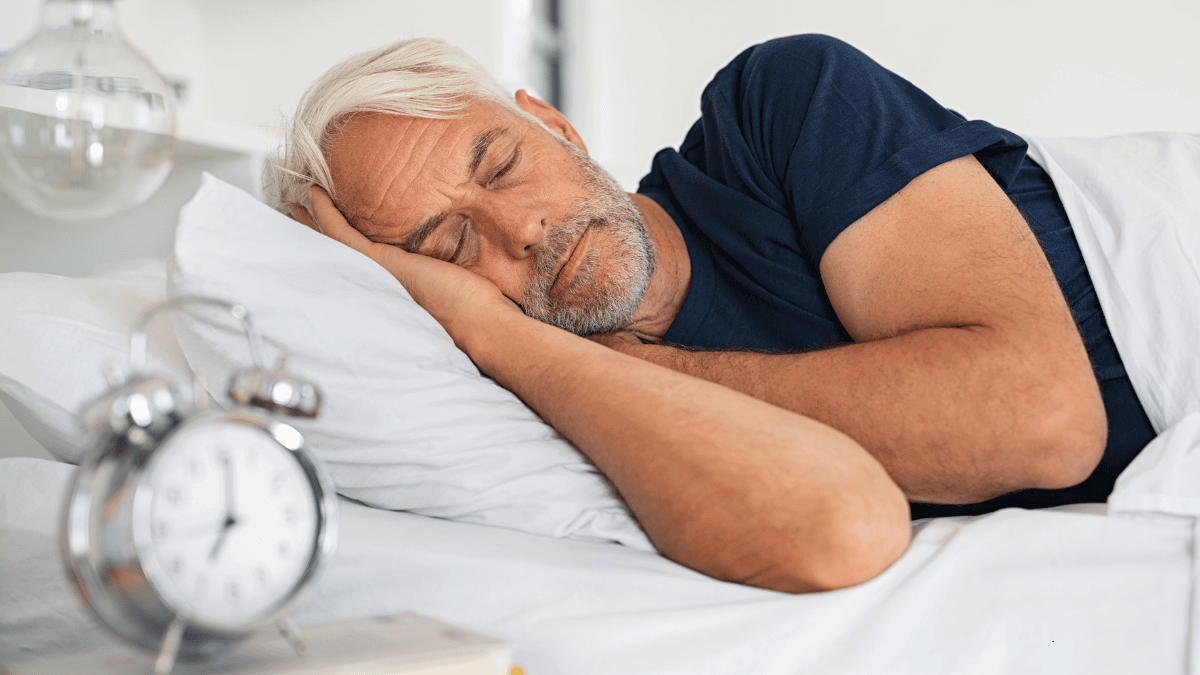
Poor sleep and low energy are closely linked, yet many men experience them as separate problems. Sleep may feel inconsistent or unrefreshing, while energy levels remain low throughout the day. When this pattern repeats, it often leads to frustration and confusion about why rest no longer translates into vitality.
For men dealing with poor sleep and low energy, the issue usually develops gradually. Nights become lighter or more fragmented, and mornings begin without a sense of renewal. Because these changes happen slowly, they are often normalized or blamed on workload, stress, or lifestyle demands rather than recognized as part of a deeper recovery imbalance.
Low energy is not always the result of physical exhaustion. In many cases, it reflects incomplete recovery during sleep. When the body fails to fully reset overnight, energy systems never recharge properly, causing fatigue to carry forward from one day to the next. Understanding the connection between sleep quality and daily energy helps explain why simply resting more does not always lead to feeling better.
What Poor Sleep and Low Energy Really Mean for Men
Poor sleep and low energy describe a pattern where rest no longer translates into vitality. Men may spend enough time in bed, yet wake up feeling drained, unfocused, or physically flat. Instead of restoring strength and mental clarity, sleep feels incomplete, leaving energy levels consistently below normal throughout the day.
This pattern often begins subtly. Nights become lighter or more fragmented, while mornings feel slower and less motivating. Over time, the gap between sleep and energy grows wider. Men may notice that even low-demand days feel exhausting, and recovery from routine tasks takes longer than it used to. What makes this difficult to recognize is that sleep still occurs, creating the impression that rest should be sufficient.
Low energy in this context is not simply tiredness. It reflects a deeper imbalance in how the body restores itself overnight. When sleep lacks depth or continuity, the nervous system does not fully reset, and energy systems remain partially depleted. As a result, the body starts the day already behind, carrying fatigue forward instead of rebuilding strength.
Understanding poor sleep and low energy as a connected issue helps explain why quick fixes rarely work. Sleeping longer, resting during the day, or pushing through fatigue may offer temporary relief but do not address the underlying recovery gap. Recognizing this pattern is the first step toward understanding how sleep quality shapes daily energy in men.
Main Causes Behind Poor Sleep and Low Energy
Poor sleep and low energy usually develop together through a combination of factors that interfere with recovery rather than from a single cause. In many men, these factors quietly reduce sleep quality night after night, preventing the body from fully restoring energy even when sleep time seems adequate.
One major contributor is fragmented or shallow sleep. Repeated micro-awakenings, light sleep stages, or inconsistent sleep depth interrupt the natural recovery process. While these disruptions may go unnoticed, they reduce time spent in restorative sleep, leaving the body under-recovered and energy-depleted the next day.
Mental load also plays a significant role. Ongoing stress, overthinking, and unresolved pressure can keep the nervous system partially active during sleep. When the mind does not fully disengage, recovery remains incomplete. This explains why men often wake up feeling mentally drained and physically low on energy despite sleeping through the night.
Lifestyle patterns further compound the issue. Irregular sleep schedules, late meals, evening screen exposure, and inconsistent daily routines weaken the body’s internal rhythm. Over time, these habits disrupt the signals that support stable sleep and efficient energy restoration.
Common overlapping contributors include:
- Light or fragmented sleep that lacks depth
- Persistent stress or mental activation at night
- Irregular routines that disrupt sleep rhythm
- Evening habits that overstimulate the nervous system
When these factors combine, recovery falls behind daily demands. Each night adds a small energy deficit that is never fully repaid, explaining why low energy becomes persistent rather than situational.
Signs and Daily Effects of Poor Sleep and Low Energy
The effects of poor sleep and low energy often become most visible during the day rather than at night. While sleep may feel restless or unrefreshing, the real impact shows up in how men function, think, and respond to daily demands.
Because these changes develop gradually, they are often mistaken for normal stress or a busy lifestyle.
Physically, low energy tends to feel constant rather than situational. Men may notice reduced stamina, slower recovery from simple activities, and a general sense of heaviness that makes movement feel more effortful. Even routine tasks can feel draining, especially during the morning and early afternoon.
Mentally, poor sleep affects clarity and focus. Concentration becomes harder to maintain, attention drifts more easily, and decision-making may feel slower. Many men describe a persistent mental fog that limits productivity and makes it difficult to stay sharp throughout the day.
Common daily effects include:
- Waking up without a sense of renewal
- Fluctuating energy levels during the day
- Reduced focus and mental clarity
- Lower motivation and slower physical recovery
Emotionally, low energy can reduce patience and resilience. Stress feels harder to manage, and small challenges may feel disproportionately exhausting. Over time, these effects can influence confidence, work performance, and overall well-being, reinforcing the cycle between poor sleep quality and persistent low energy.
Why Poor Sleep and Low Energy Are Common in Men
Poor sleep and low energy are common in men largely because of how daily expectations, responsibilities, and habits shape recovery over time. Many men operate under constant pressure to remain productive and reliable, often at the expense of consistent rest.
This ongoing demand makes it easier to accept low energy as normal rather than question its underlying cause.
Another reason this pattern is widespread is the tendency to push through fatigue. Men are more likely to ignore early signs of low energy, assuming they are temporary or unavoidable.
Sleep becomes something to fit around responsibilities instead of a process that supports recovery. Over time, this mindset allows poor sleep quality to persist without drawing attention.
Lifestyle routines also contribute. Irregular schedules, late evenings, and inconsistent sleep habits are common in adult life and often seen as unavoidable. These patterns disrupt the body’s natural rhythm, making it harder to achieve deep, restorative sleep.
When this disruption happens repeatedly, energy levels gradually decline and remain low even on lighter days.
Adaptation plays a key role as well. When low energy becomes consistent, expectations shift. Men begin to measure how they feel against recent days rather than an optimal baseline. This slow adjustment masks the problem and reduces the urgency to address it, allowing poor sleep and low energy to blend into daily life.
Because these factors develop gradually, the connection between sleep quality and energy is often overlooked. Understanding why poor sleep and low energy are common in men helps explain why the issue can persist quietly for long periods before it is recognized as a recovery problem rather than a normal part of adulthood.
Understanding the Recovery Pattern Linking Sleep and Energy
Poor sleep and low energy are best understood as two sides of the same recovery pattern. Sleep is the primary window during which the body restores physical reserves, resets the nervous system, and rebalances mental load.
When sleep quality is compromised, these processes remain incomplete, and energy levels the next day reflect that unfinished recovery.
This pattern often begins with subtle sleep disruptions that do not feel severe on their own. Light sleep, brief awakenings, or mentally restless nights reduce the depth and continuity needed for full restoration.
As a result, the body wakes up without replenishing its energy stores, creating a carryover effect where fatigue accumulates from one day to the next.
Over time, this incomplete recovery becomes self-reinforcing. Low energy during the day increases stress sensitivity and mental strain, which then makes it harder to disengage at night. Sleep becomes lighter, recovery weaker, and energy deficits more persistent.
The cycle continues even when men believe they are resting enough, because the issue lies in recovery quality rather than sleep duration.
Understanding this link helps explain why quick adjustments rarely work. Extra hours in bed, occasional naps, or short breaks may offer temporary relief but do not restore balance if sleep remains fragmented or mentally active.
Energy improves when recovery becomes consistent, allowing sleep to fully reset the systems that support daily performance.
Viewing poor sleep and low energy through this recovery lens clarifies why the problem can persist quietly. It shifts focus away from isolated symptoms and toward the broader pattern that connects nighttime rest with daytime vitality.
When Poor Sleep and Low Energy Become a Bigger Issue
Occasional low energy after a poor night of sleep is not unusual. However, when poor sleep and low energy persist together and begin to shape how each day feels, the issue becomes more significant. The key difference lies in duration and impact rather than the intensity of a single bad night.
For many men, this shift happens gradually. What starts as mild tiredness or slower mornings can evolve into constant fatigue that does not improve with rest or lighter schedules. When energy levels remain low even after weekends or periods of reduced stress, it suggests that recovery is no longer keeping pace with daily demands.
Another sign that the issue has deepened is when low energy begins to affect multiple areas of life at once. Focus declines, motivation fades, and physical resilience weakens. Men may feel as though they are functioning below their normal capacity, even on days that should feel manageable. This persistent imbalance often leads to frustration and a sense of stagnation.
At this stage, the problem does not automatically indicate a medical condition. In many cases, it reflects a prolonged recovery deficit driven by ongoing sleep disruption, mental load, and lifestyle patterns. The concern lies not in isolated symptoms but in how consistently they appear and how deeply they affect daily functioning.
Recognizing when poor sleep and low energy move beyond temporary setbacks helps prevent normalization of chronic fatigue. It encourages awareness without alarm and highlights the importance of addressing recovery patterns before the imbalance becomes firmly embedded in everyday life.
Frequently Asked Questions About Poor Sleep and Low Energy
Can poor sleep really cause low energy even if I sleep enough hours?
Yes. Sleeping enough hours does not always guarantee proper recovery. When sleep is light, fragmented, or mentally restless, the body does not fully restore energy, leading to low energy throughout the day despite adequate time in bed.
Why do I feel tired all day after a bad night of sleep?
Poor sleep disrupts the body’s recovery cycle. When restoration is incomplete at night, fatigue carries over into the day, affecting physical stamina, focus, and motivation even during low-demand activities.
Is low energy always related to stress?
Stress is a common contributor, but it is not the only factor. Poor sleep quality, inconsistent routines, and incomplete recovery can all lower energy levels, sometimes even in the absence of noticeable stress.
Why does low energy start to feel normal over time?
When poor sleep and low energy happen repeatedly, the body adapts. Men begin to accept reduced energy as their baseline and adjust expectations, even though recovery remains incomplete.
Does sleeping longer help improve low energy?
Sleeping longer may help temporarily, but it does not always solve the issue. Improving sleep quality and recovery consistency is often more effective than simply increasing sleep duration.
Practical Ways to Improve Energy After Poor Sleep
Low energy after poor sleep can make everyday tasks harder and reduce motivation. While improving sleep quality itself is key, the following supportive habits may help support energy levels and mental clarity during the day:
- Consistent sleep schedule: Going to bed and waking up at the same time each day helps regulate your internal clock and supports restoration.
- Hydration throughout the day: Staying well-hydrated supports cognitive performance and physical energy.
- Light physical activity: Gentle exercise like walking increases circulation and can help boost alertness.
- Short mental breaks: Taking brief pauses during the day can help reset focus and reduce feelings of fatigue.
- Balanced meals: Eating nutrient-rich foods supports energy production and stabilizes blood sugar.
These strategies are general well-being practices and not medical treatments, but they can help support better energy levels when applied regularly.
This article is for educational and informational purposes only and does not constitute medical advice, diagnosis, or treatment. Sleep problems and low energy levels can vary in causes and severity among individuals. If you experience persistent or worsening symptoms that interfere with daily life, please consult a qualified healthcare professional for personalized guidance.
Sources
For reliable, expert-based information on sleep quality and energy levels, refer to the following trusted resources:
- National Institute of Mental Health – Sleep and Mental Health
- Mayo Clinic – Sleep Disorders and Fatigue
- Sleep Foundation – Understanding Sleep and Energy
Conclusion
Poor sleep and low energy are closely connected through the body’s recovery process. When sleep lacks depth or continuity, the systems responsible for restoring physical and mental energy never fully reset. Over time, this incomplete recovery leads to persistent fatigue, reduced focus, and lower resilience during daily activities.
Understanding this connection helps explain why low energy can persist even when sleep duration seems adequate. The issue is rarely about a single bad night, but about patterns that quietly weaken recovery night after night. Recognizing poor sleep and low energy as part of the same cycle shifts attention away from quick fixes and toward long-term balance.
To better understand how disrupted sleep affects recovery and daily energy, explore our main guide on sleep problems in men, which explains how different sleep patterns influence fatigue, focus, and overall performance over time.
Written by Better Men Life Editorial Team
This article was prepared by the Better Men Life editorial team, focusing on men’s sleep health, daily energy, and overall well-being. Our content is intended for informational purposes and supported by reputable health sources and publicly available research.